

Latest News

Fire Coral: The Stinging Sea Creature That Looks Like Coral (But Isn't!)
Have you ever seen those yellow or brown branchy things growing on Hurghada reefs and thought, "Cool coral!"? Think again. Fire coral looks harmless but gives a nasty sting that burns like fire.
This guide explains what is fire coral, why it's fire coral dangerous, and how to spot it so you enjoy the Red Sea worry-free.
What is Fire Coral? (It's Not What You Think)
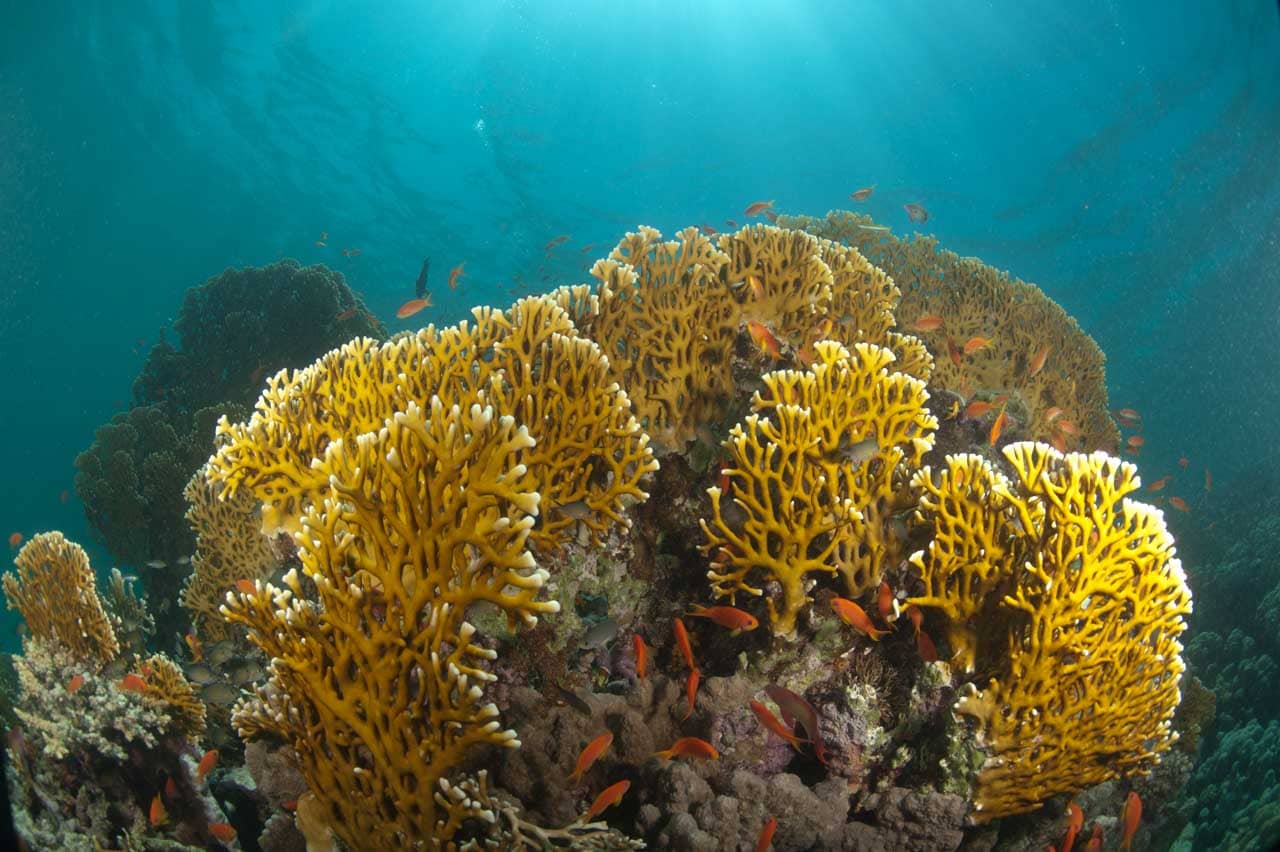
Fire coral isn't coral at all! Real corals are soft and colorful. Fire coral belongs to a different family - think jellyfish cousins that build hard homes.
The fire coral species in Hurghada waters (called Millepora) create sharp, branchy skeletons that look like underwater trees.
Picture bright yellow or tan sticks poking out from reefs, rocks, even old shipwrecks. Sometimes white dots cover the tips - those are tiny living polyps catching food. They grow fast and love strong currents, so you'll find fire coral on exposed reef edges where waves crash hardest.
Why the name "fire"? Touch it, and tiny stingers called nematocysts shoot out fire coral venom. Instant burning pain follows, like grabbing a hot stove underwater. Sharp branches also cut skin while the venom works, making the sting extra painful.
Where Fire Coral Hides in Hurghada
Fire coral loves Hurghada's reefs because warm Red Sea water and strong currents suit it perfectly. Snorkelers meet it most often in these popular spots:
- Shallow reef edges (2-8 meters deep): Giftun Island's outer walls, Abu Ramada coral gardens
- Rocky bays: Mahmya Island shallows where waves break
- Wreck sites: Old metal attracts fire coral crust
- Current channels: Shaab El Erg where water rushes fast
Quick ID trick: Fire coral grows straight and organized. Real coral looks messy and rounded. See neat yellow branches? Swim away!
Read more about: Best Snorkeling Spots in Hurghada
Why Fire Coral is Dangerous (Even If It Looks Pretty)
Fire coral dangerous doesn't mean deadly, but it ruins vacations. Here's what happens when skin touches those innocent-looking branches:
- Instant burn - Feels like hot grease splash
- Red rash appears - Small bumps or lines matching branch pattern
- Pain lasts 2 hours to 3 days - Worse on face, arms, legs
- Itching follows - Skin may peel or blister after 24 hours
Fire coral venom contains proteins that attack nerves and skin cells. Sharp calcium skeleton adds cuts that sting longer.
Learn More about: Red Sea Marine Life
How Fire Coral Venom Works (Simple Science)
Tiny living polyps cover fire coral branches. Each polyp has thousands of nematocysts - microscopic harpoons loaded with fire coral venom. Touch triggers instant attack:
- Nematocysts fire faster than you blink
- Tiny threads stab skin
- Venom proteins cause burning and swelling
- Sharp skeleton scrapes while stingers inject
Why venom exists: Fire coral defends against hungry fish eating branches. Parrotfish, butterflyfish avoid it. Humans? We look like giant fish threats.
Good news: No deaths recorded from fire coral. Painful, yes. Dangerous to life, no.
Spotting Fire Coral Before Trouble Starts
Knowledge beats stings. Train your eyes to recognize fire coral species patterns:
Always suspicious:
- Yellow/tan branches standing straight up
- White fuzzy tips (feeding polyps)
- Sharp, square edges (not rounded)
- Grows on rocks, wrecks, dead coral
Safe Corals lookalike:
- Soft corals sway in current (fire coral stays stiff)
- Sea fans bend gracefully (fire coral pokes out)
- Anemones have obvious tentacles (fire coral surface smooth)
Golden rule: Anything branchy + yellow on exposed reef = assume fire coral. Better safe than stinging.
Stay Sting-Free: Smart Snorkeler Habits
Prevention beats pain every time. Simple choices keep fire coral in the water, not on your skin:
Swim smart:
- Perfect buoyancy keeps you 30cm above reef
- Streamline body - no dangling elbows/knees
- Horizontal escape if brushed (don't rub!)
Boat trip tips:
- Listen to reef briefings (captains know hotspots)
- Watch where others snorkel (follow safe paths)
- Short sessions tired snorkelers kick bottom
Learn more about how to make safe snorkeling in Red Sea
When Sting Happens (Quick Action Steps)
Fire coral stings hurt immediately. Don't panic - here's what works:
- Exit water calmly - No rubbing affected area
- Rinse with seawater - Fresh water spreads stingers
- Ask crew for vinegar - Neutralizes remaining nematocysts
- Skip home remedies - See doctor for bad reactions
Warning signs needing clinic visit:
- Pain worsens after 2 hours
- Red streaks or pus (infection)
- Face/neck stings
- Fever or swollen glands
Respect = Reward: Stay clear and watch polyps wave peacefully. Underwater fireworks without the burn.
Snorkel Safely with Bullet Speedboats' Expert Captains
Don't worry about fire coral or reef dangers - our experienced Bullet Speedboats captains know exactly where to take you for safe, worry-free snorkeling in the Red Sea.
Why our captains keep you safe:
Captains know the safe zones:
- Skip fire coral hotspots, stick to beginner-friendly reefs
- Choose current-free shallows perfect for families
- Avoid triggerfish nests and lionfish alleys
They read the reef daily:
- Morning reef checks reveal today's safe paths
- Spot danger zones maybe other boats miss
- Adjust routes when marine life moves
Book with confidence - Bullet Speedboats captains turn "dangerous reefs" into "family playgrounds." Safe snorkeling + happy memories guaranteed.
Archive
- Home
- Fleet
- Fixed Tours
- Custom Tour
- Faqs
- News
- Gallery
- About Us
- Contact Us